

Did you know that over fifty million people in the US live with a brain disorder? The Grey Matter Project is a club that not only discusses how your brain operates daily, but also discusses complex structures and diseases such as the basal ganglia or Parkinson’s disease. These topics are discussed through lectures with Yale University.
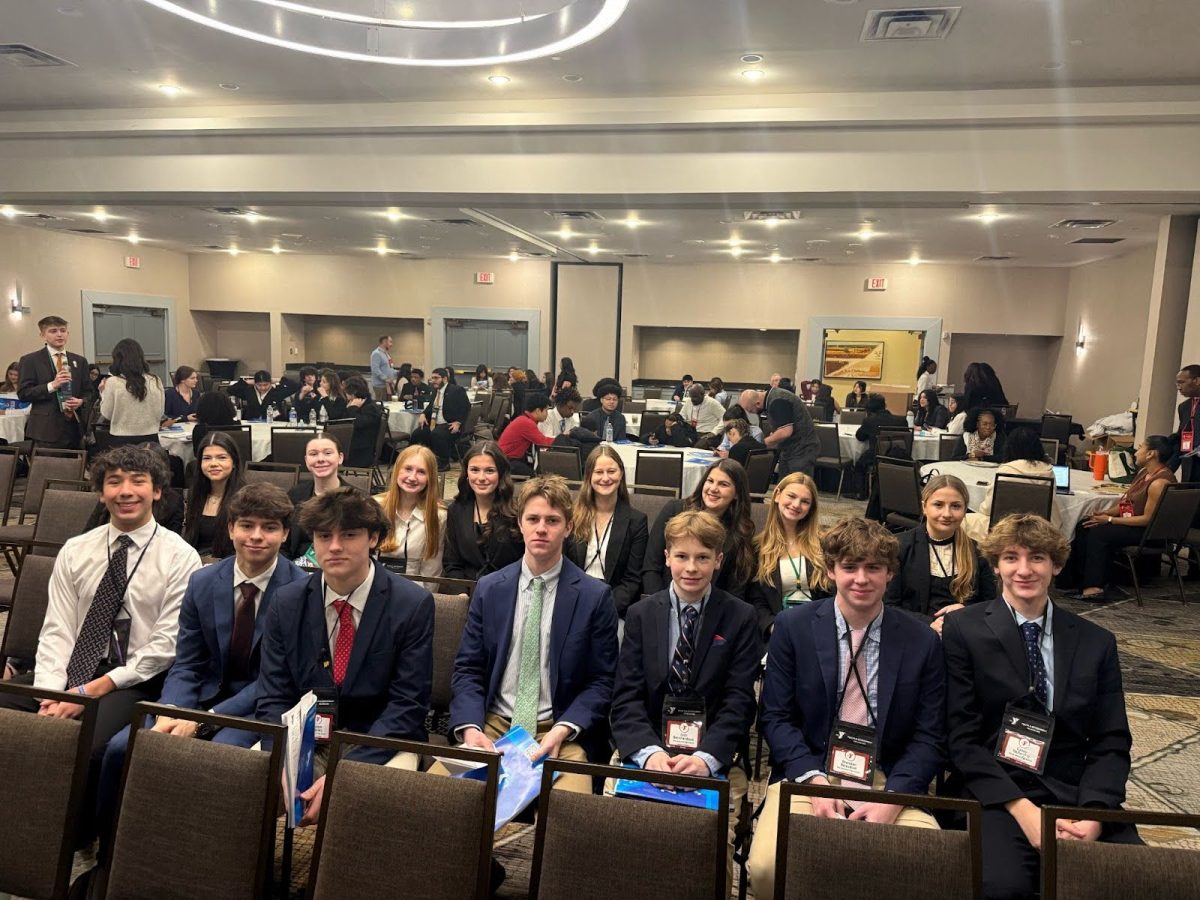
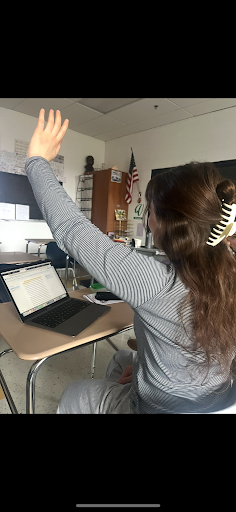
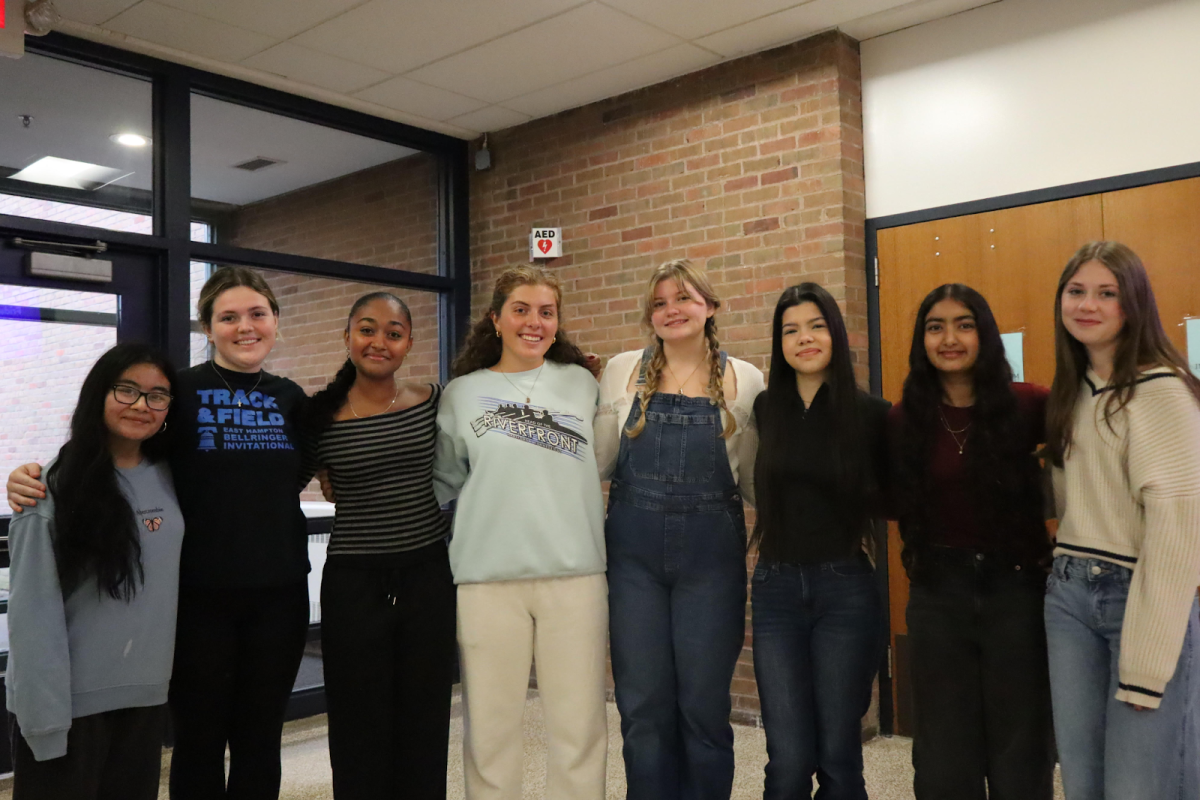
The two co-presidents at Old Saybrook High School are Madelin Gutzmer and Sylvie Webber, who emphasize that it’s never too late to join the club. If you are interested in joining, let them know! Webber explained the core mission of the club and what club members take away from it. According to Sylvie, the core mission of the Grey Matter Project is to promote education and career interest in neurosciences to teens before higher education and to close the neuroscience gap in education. She also explains that members of this club learn incredible information about the brain, how it works, and different things related to the brain such as neurodegenerative diseases. The Grey Matter Project can even help in classes such as Advanced Anatomy and Physiology, Psychology, and more because the club discusses things such as neurons and brain functions. Sylvie also explains that, “this club is a great way to speak with doctors, neuroscientists, psychologists and many others in the neuroscience field.”
Some of the additional opportunities run through the club are the Journal Club, that includes a paper which has been highlighted with important information, as well as a glossary and breakdown of some key words and questions that assess your understanding. Another opportunity through the Grey Matter Project club is the NeuroVation Challenge. In this challenge, students from around the globe participate in a competition to further educate or impact their communities within the field of neuroscience, psychology, or medicine.
So far the Grey Matter Project club has had three lectures this year. The first one was a brief introduction to neuroscience and the material covered throughout the year.The October lecture discussed crossed syndromes, and the November lecture was about the basal ganglia, direct and indirect pathways, and Huntington’s and Parkinson’s disease. Both of these diseases are rare, however they may affect some of the people around us. This brings me to the point that even if you are not specifically interested in learning about the brain or a career in neuroscience, brain disorders or disease affect many people in our community so it’s extremely important to learn about these things anyways. Also, learning the ways your brain operates daily can lead you to appreciating the little movements, or tasks your body carries out because you know the details behind how it works.
Webber said,, “I found out about this club my sophomore year, and as soon as I joined, I fell in love. First of all, how many clubs in the Old Saybrook High School are sponsored by Yale School of Medicine? In addition, this club has introduced me to many other fields in neuroscience, neurosurgery, psychiatry, psychology, and more.”
Both Sylvie and Madelin have encountered some challenges of being co-president of the Grey Matter Project club. One of their major challenges was expanding our program. Their biggest goal as co-president was to make other students interested in neuroscience because in the end, no one would be here, learning, socializing, and communicating if we didn’t have brains. However, this year the club gained 5 new students interested in The Grey Matter Club and this is just the beginning, the leaders said.