




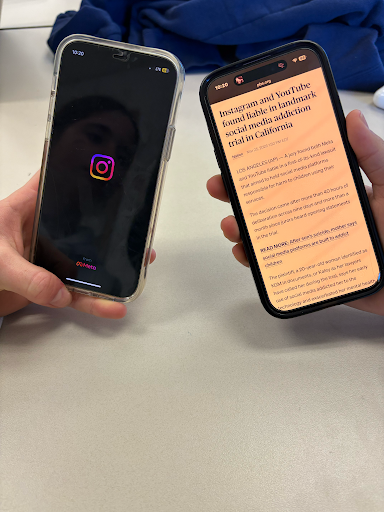
In late March, a jury ruled that Instagram and YouTube have been purposely created to addict kids, claiming that they are using gambling tactics to keep minors on the apps, purely for profit. This came to the court after a 20 year old woman named Kaley G.M, sued Instagram and YouTube, while Snapchat and TikTok settled before the case went to court. Kaley wound up winning 6 million dollars on the grounds that YouTube and Instagram are made to purposely addict children. The students at Old Saybrook High School have their own opinions though.
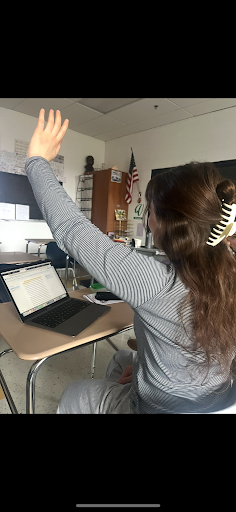
Through a student survey asking a few questions about the OSHS students’ thoughts and opinions about the lawsuit, there was an overwhelming amount of data from everyone. Regarding awareness of the lawsuit itself, the majority have not heard of it being a thing; those who do have, heard it from sources like teachers, friends and primarily the news. Surprisingly, even though not all know about it, almost all who responded to the survey use social media, primarily YouTube and Instagram, Snapchat closely trailing behind. Students who had not come to hear of the lawsuit themselves stated, “I heard about it from Mr. Taylor,” referencing a band class where Mr. Taylor was expressing his thoughts on phones, and brought up the lawsuit, which caught the interest of multiple students in the class.
With social media being such a large part of students’ lives nowadays, but is seemingly so dangerous, it begs the question, what do the consumers,the students, think about social media? One student claims, “I’ve grown up on all of these platforms to an extent, and kids having access to them is definitely harmful, but I think that’s just what comes with having access to the internet at a young age. Instead of suing these social media companies, parents should be more educated on how the internet/social media impacts their children and restrict their access to it.” Some students believe that social media isn’t the problem, but the problem falls onto the parents, who should know what to expect on the internet and how to limit their child’s access to it. On the other hand, some students believe the responsibility falls on the user, “It definitely is bad but yes social media can be addicting but it was KGM’s fault, she or people around her should’ve realized what she was doing and how it impacted her. It may be addictive but you have to do something about it if you want to get not addicted.” The other main take students at OSHS believe is that social media itself is in fact the problem, stating, “Yes, I think it’s bad and that it greatly harms the mental and physical health of teenagers. It makes them waste time on things that could be more productive, and also, social media is a danger when it comes to spreading false and easily accessible information, so it causes an addiction that, if not prevented now, will leave us damaged.” The school has mixed feelings about social media currently, with many different opinions.
Whether or not the lawsuit goes through in the immediate sense, it is unsure if this topic of social media ban will stick, or slip under the rug and be forgotten just like the TikTok ban. When the students of OSHS were asked, the majority of them came to the consensus that these worries will eventually be swept away and the plague of social media will continue. One student stated, “I think that if it’s truly enforced and not a severe ban, but rather daily limitations, it could work if everyone follows them. However, if it’s something exaggerated and mandatory for teenagers, it will fade away because they’ll find ways to circumvent the law.” Another student claimed, “I think the lawsuit will be forgotten and things will go back to how they were shortly after it takes place.” And the overall response from students went along the lines of, “I think it will fade away.” While this lawsuit may have an immediate impact, many of the OSHS students don’t believe anything will last, and the companies will continue to extort and take advantage of kids.