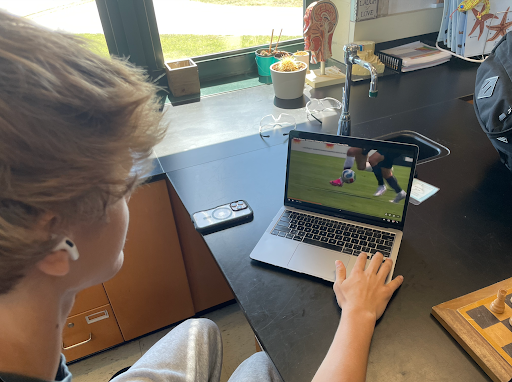

















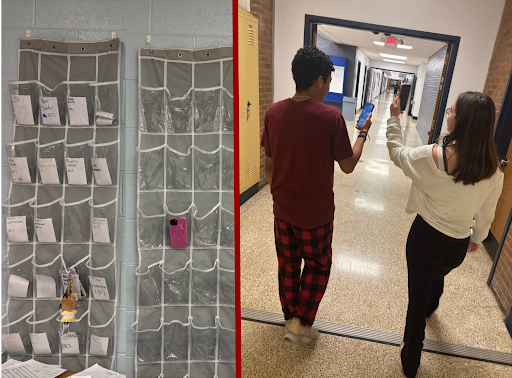
For the second time in two years, on May 7 Connecticut legislation to get phones banned in schools from “bell-to-bell” was not passed by the state Senate.[someone/thing] described as fear of taking over local control. This leaves the schools themselves to make a decision on their own, with no state governing law in place.The bill that was proposed made it so students’ phones would be powered off for the whole day, or from the first to last bell, giving it the “bell-to-bell” saying. This has been encouraged and achieved in 26 states already, most notably being Florida, as they were the first to execute the law. According to the Connecticut phone bill proposed, it would be implemented to “reduce classroom distractions, improve student focus and learning, prevent cyberbullying, and ensure a safe and consistent environment across all schools while still allowing limited, appropriate use when needed” (Bill #HB-5035). Phones in schools have often been seen as a distraction, especially during class time, resulting in less attention towards academics, and even academic dishonesty.
An article on bans across the country by the New York Times reports about a new study done by the National Bureau of Economic Research on the schools that have had phone bans for around three years. The main consensus is that it has led to less phone-in-hand time in school, better student mental health, yet test grades are still not going up. However, this begs the question: was phone usage what was making test scores go down, and if so, why are they not going back up? The rest of the study also explains how not a lot of bullying and absent rates went down after the phone ban, as hoped by those who supported it. However, teachers did say they noticed more student-to-student interaction in person, instead of glued to a screen. As time goes on, more states are implementing the same type of ban.
As for the Connecticut bill, 15 constituents and 16 citizens approved of the legislation, including strong endorsement from the governor Ned Lemont, while 10 constituents and 5 citizens have opposed the bill. However, the main reason for approval of the bill is due to cellphones causing distraction, and interrupting their learning process. One of main reasons for opposition is medical reasons because they ensure student safety and legal compliance. Another being safety reasons, as school lockdowns and casualties have been on the uptick around the Nation, many students and or families feel the need to have their phone near them in case of an emergency, yet many argue that this is not a problem due to the teacher’s phone still being in the room. Old Saybrook High School teacher Mr. Jeremy Taylor says, “An imagined extreme case of harm should not prevent us from addressing a constant real lesser harm. Adults who don’t work in schools really don’t understand how serious it is.”
What does this mean for students going forward? Considering the state bill has died, it leaves regulations up to the schools themselves. This could mean one school has strict no phone policy, and the next allows phones in every period.