

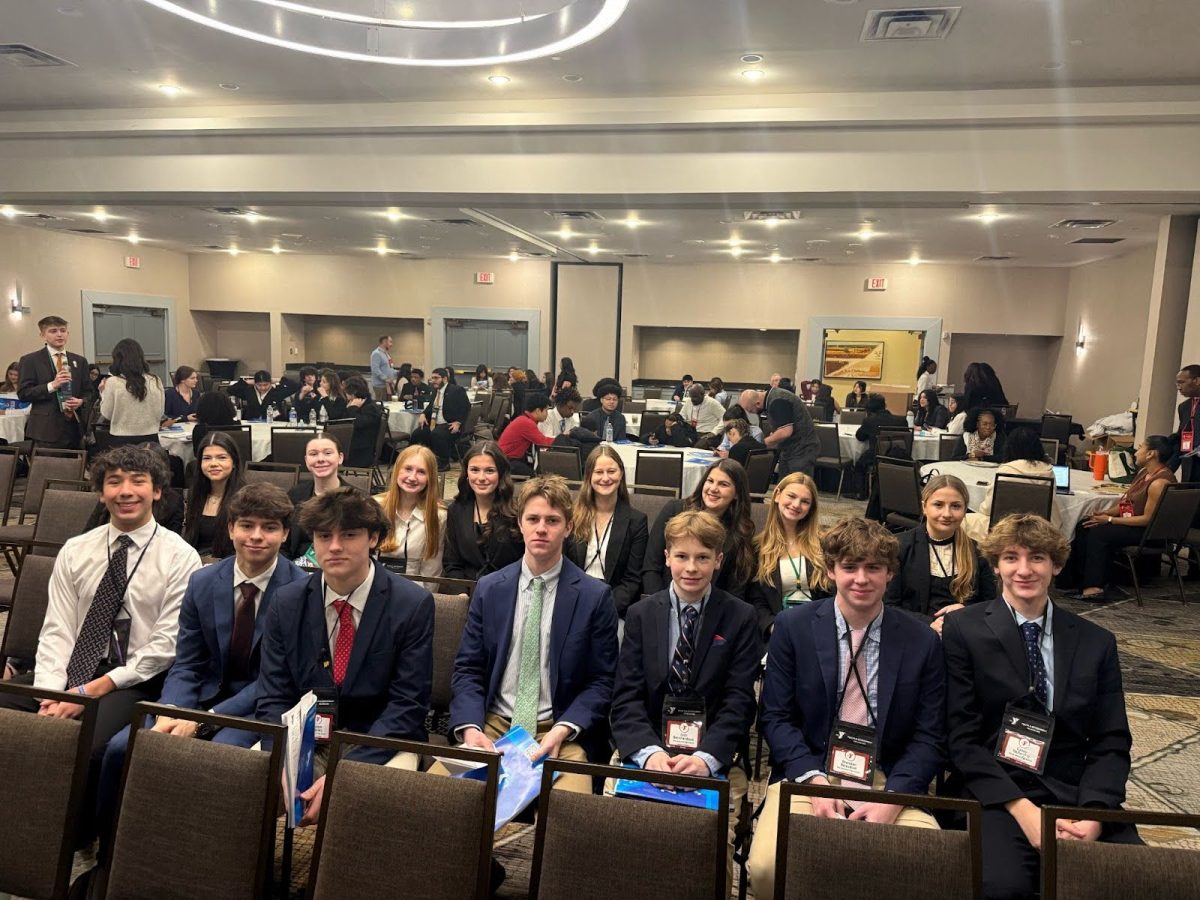











We used to think that the more clubs we joined at Old Saybrook High School, the better it would look for our future. Like many students, we believed being everywhere at once meant we were successful. But over time, we started to notice something being involved in everything often meant we weren’t fully involved in anything. That raises an important question for our school community: should students focus on fewer clubs in order to make a stronger impact in each?
At Old Saybrook High school, clubs offer students a chance to explore interests and connect with peers and teachers outside of the classroom. According to Guidance Counselor Chris Perras, clubs expose students to “A variety of opportunities to enhance their learning and community involvement.” He explained that extracurriculars help students grow in ways academics alone cannot, giving them a sense of belonging.
However there is another side to this argument, according to Perras, joining too many clubs can make it difficult for students to balance schoolwork, athletics, jobs, and social lives. “The more clubs you join, the harder it is to balance everything,” he said. He added that students often sign up with good intentions at the beginning of the year, only to feel overwhelmed later on.
Health Club advisor Melissa Martin has seen similar issues from an advisor’s perspective. She explained that when students overcommit, it can “Dilute the experience,” because students cannot fully give themselves to every club they join. Martin also said that it can be frustrating when students say they are involved in the club but rarely attend meetings, saying it is “Not fair to students who are actually showing up and participating.”
Perras also sees this pattern often. “Students join clubs to strengthen their resumes, but end up stressed and burnt out,” he said. He explained that stress levels grow as students “Bite off more than they can chew,” especially as academics get more intense. Many students eventually cut down on the amount of clubs they are in, realizing they can’t be as involved as they thought.
Not everyone agrees that limiting clubs is the answer. Martin highlighted that clubs are meant to help students explore interests, and strict limits could prevent that. She explained that limiting involvement might stop students from actually learning about what they want to do, so flexibility is important because “Every student’s capacity is different.”
Perras agreed that there should not be a strict limit. He explained that exposure to different clubs can be very beneficial, especially since many meet on different days. However, he mentioned that depth of involvement matters more than the number of clubs listed. He said that it is more noticeable for students to show leadership and commitment in fewer clubs than list too many with little involvement.
From our perspective, clubs should not be limited by a strict rule, but students should be encouraged to commit deeply into a few clubs rather than join many. Martin explained that low participation and inconsistent attendance can make a club feel like it has “No point of purpose,” which can hurt both students and advisors who dedicate their time in running it. Stronger participation leads to strong communities within the school. When students show up consistently and take leadership roles, clubs become more meaningful for everyone involved.
At the end of the day, being involved at Old Saybrook High school is about more than filling a resume. It is about finding where you belong and where you can grow. Sometimes, doing less allows us to do better and that might be the lesson our clubs need the most.